
To have a successful hiring process, it’s crucial to know the common warning signs that suggest a candidate may not be suitable for the job or company.
By using techniques to spot red flags in candidates, you can avoid future problems for yourself and the company.
This article will walk you through the most common red flags to watch for and provide techniques for spotting them.
Warning Signs in a Job Candidate
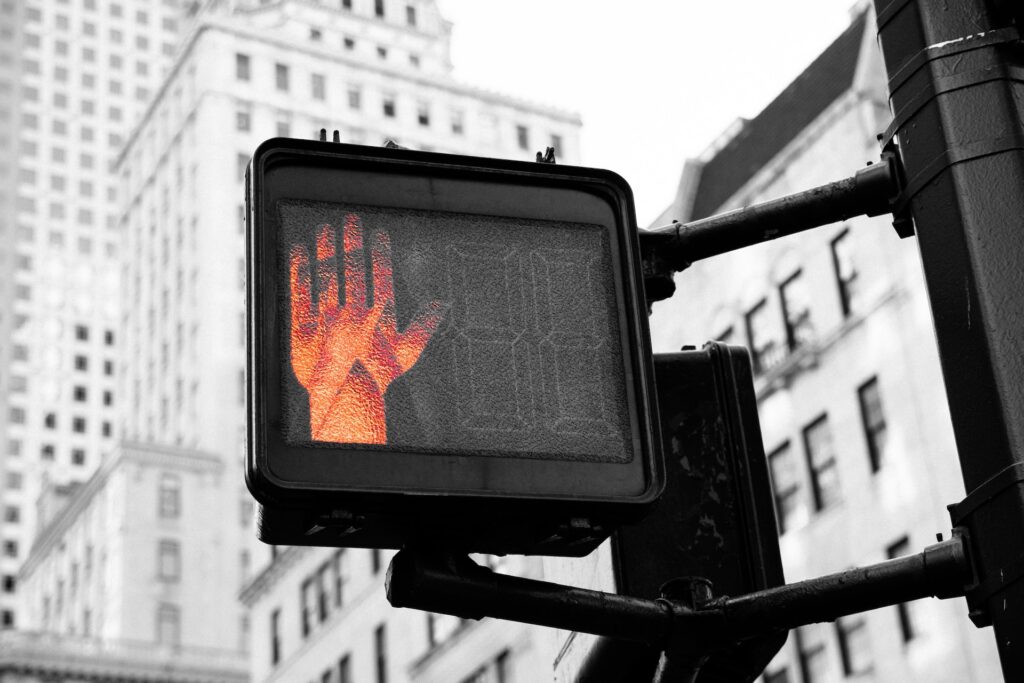
- Poor communication skills. Candidates who struggle to articulate their thoughts clearly can create communication problems, leading to misunderstandings and conflicts. In addition, language barriers can make some candidates appear uncoordinated, which is essential for interviewers to remember when conducting interviews with candidates from different parts of the world. However, poor communication skills can be easily identified and become apparent during the interview process.
- Unprofessional behavior: Showing up late to an interview, dressing inappropriately, or displaying improper behavior and manners all demonstrate a lack of professionalism.
- Inconsistent work history: When assessing a candidate for a job, it is essential to consider their employment history. Suppose they frequently change jobs or have unexplained gaps in their work experience. In that case, this may indicate that they are not dependable or committed as an employee (not always the case, make sure you dig deeper to understand the reasons).
- Negative attitude: It is important to note that a candidate who speaks negatively about their past employers, colleagues, or customers may have a negative mindset that could affect their job performance and ability to work well with others.
- They are unprepared. If a candidate struggles to answer questions about their experience, skills, or qualifications during an interview, it may suggest that they might not be suitable for the position. This could imply they need more knowledge or expertise in the field or need to prepare for the interview adequately.
- Lack of interest in the company. Candidate’s lack of interest in the company product, mission, and vision may indicate they won’t be motivated to work for you.
- They are showing no interest in the company or product. Candidates can show their interest and knowledge of the company by asking questions. It could be a red flag if a candidate appears uninterested or apathetic towards the position or company.
- Slow response. If candidates fail to promptly follow up with the recruiter when scheduling the next rounds, it could indicate a lack of interest in the job opening and suggests it may not be their top choice.
- They are being disrespectful to the interviewers. Candidates who display disrespectful behavior towards the interviewer, such as complaining about the interview process or a previous interviewer, might indicate how they would behave in a work environment.
How to spot candidate red flags

- Ask open-ended questions. To gain more insight into a candidate, it’s best to ask open-ended questions that allow them to express themselves freely. Additionally, posing hypothetical scenarios can reveal much about their personality and any undesirable traits.
- Skill assessment. A skills assessment is the simplest method to confirm an individual’s skills. These assessments may take the form of take-home assignments or live tasks, depending on the specific requirements of the role.
- Behavioral questions (STAR Interviewing technique). Ask follow-up questions based on their answers to delve deeper into their responses. For instance, during a behavioral question like “Tell me about a time when you did something for the first time,” consider asking sub-questions to gather more comprehensive information. Here are some examples: What specific task or objective were you supposed to accomplish when you undertook this new experience? Can you elaborate on the steps or approach you took to tackle the job?
- Monitor body language. Body language can reveal the difference between what someone says and what they mean. Common indicators to look out for include avoiding eye contact, fidgeting, sweating, and crossing arms. However, it’s important to remember that body language alone may not always be accurate and should be considered along with other factors.
- Social media. When reviewing a candidate’s social media profiles, it’s essential to look for any potential red flags, such as negative comments about past employers or inappropriate posts. However, it’s important to remember that platforms like Instagram or TikTok aren’t necessarily professional, and the content posted there may not reflect someone’s professional behavior or how they’d behave in a professional setting.
- Track responsiveness. Paying attention to how quickly they follow up with the recruiter and their overall responsiveness can provide valuable insights. Candidates who display high responsiveness by promptly providing answers and submitting take-home challenges on the same day demonstrate a genuine interest and readiness to commit.
- Check references. It is common for candidates to falsely claim references and recommendations on their resumes. To ensure accuracy, verifying employment history, job responsibilities, and performance is recommended by checking references. Talking to former managers and colleagues can also provide valuable insight into the candidate’s work habits and personality.
What to look for in a candidate?
Setting clear standards will help you identify potential candidates who won’t fit well with your company culture. Based on these norms, you can determine why someone might not be a good fit for your company.
Here is what you need to look for in any candidate.
- Cultural fit: When hiring a candidate, seeking someone who shares your company’s goals and values is crucial. A person who doesn’t fit in with the company culture may cause different problems and misunderstandings with the team thus negatively influencing the work and other employees. Furthermore, they might feel like an outcast, leading them to socially distance themselves from the tea.
- Flexibility. Candidates who can quickly adapt to a fast-paced environment are essential if you are hiring for a remote first startup.
- Empathy and teamwork. Candidates should show compassion and teamwork, be able to build a culture of understanding, prioritize teamwork, collaborate, and work together.
- Growth. The key to success in today’s fast-paced work environment is finding individuals who are eager to learn, develop, and share their knowledge. Without improving their skills or advancing their careers, employees could fall behind industry trends and struggle to meet expectations.
- Ability to work remotely. Individuals must be disciplined to work from home and complete the work assignment. This can be estimated if they had a prior role where they worked from home or attended remote courses.
- Individualists. Individuals are people who can certainly achieve their goals independently. A candidate who struggles to work independently and relies heavily on others will likely fail as a remote worker.
To Sum Up
Identifying warning signs in job candidates can be challenging, but with clear priorities and effective mechanisms in place, you can narrow down your choices to the most suitable candidates.
Additionally, Stavreska Recruiting provides services to assist you in finding outstanding candidates for your available positions. Please contact us at: contact@stavreska.com